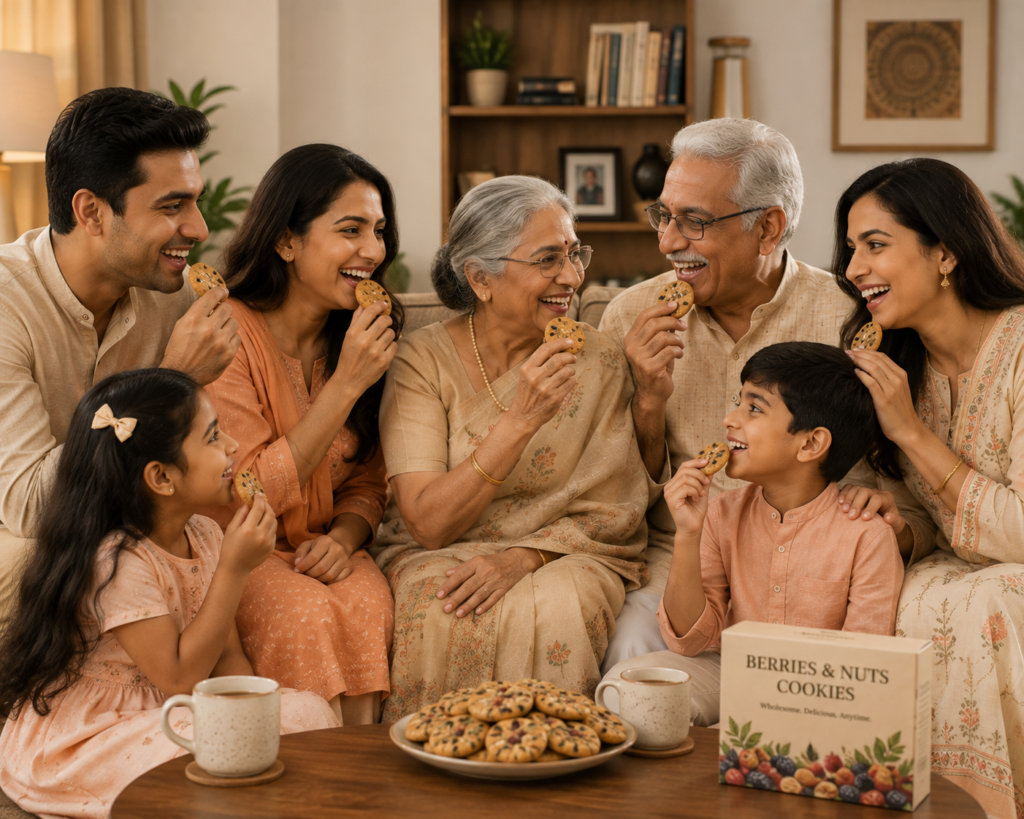
Snacking is a part of everyday life.
We snack between meals, during work breaks, while travelling, while studying and when relaxing at home. Yet snacks are often treated as an afterthought.
What if snacking could become an opportunity to explore better ingredients?
This is where millet snacks come into the picture.
From roasted millet snacks and namkeen to chivda, laddoos and energy bars, millet can be transformed into a wide variety of convenient foods that bring traditional grains into modern snacking.
Why Are Millet Snacks Becoming Popular?
The modern consumer wants convenience.
But there is also growing interest in ingredients, food quality and traditional grains.
Millets sit comfortably at the intersection of these trends.
They are familiar enough to have deep roots in traditional food cultures, yet versatile enough to become modern snack products.
FAO notes that millets can contribute dietary fibre, protein, minerals and other nutrients as part of healthy diets, while their climate resilience gives them significance beyond nutrition.
What Makes a Good Snack?
A good snack should be enjoyable.
It should have appealing flavour and texture.
It should also fit naturally into the consumer’s lifestyle.
Convenience matters.
Portability matters.
Portion size matters.
And ingredients matter.
Millet snacks can be designed around all of these considerations.
Roasted Millet Snacks
Roasting is one of the simplest ways to create a crunchy snack.
Roasted millet-based snacks can be seasoned with herbs, spices or light flavour combinations.
They can be enjoyed:
- With tea
- During work breaks
- While travelling
- During study sessions
- As an evening snack
- During social gatherings
The satisfying crunch makes them particularly appealing.
Millet Namkeen
Namkeen is deeply embedded in Indian snack culture.
A millet-based namkeen brings a familiar experience together with a traditional grain.
Different combinations can include roasted grains, spices, nuts, pulses or other ingredients.
The objective is not to eliminate indulgence.
It is to create another choice.
A snack can be delicious while also being made with thoughtfully selected ingredients.
Millet Chivda
Chivda is another classic Indian snack.
Millet can add a new dimension to this traditional preparation.
A millet chivda can combine crispy grains with aromatic spices and complementary textures.
It can be served during festivals, offered to guests or simply kept at home for everyday snacking.
Millet Laddoo
Not all snacks need to be savoury.
Millet laddoos bring traditional Indian sweet-making together with millet.
Depending on the recipe, they can incorporate ingredients such as nuts, seeds, dates or other traditional components.
Laddoos also have cultural significance.
They are associated with celebrations, festivals, family gatherings and gifting.
A millet laddoo therefore has a story that extends beyond nutrition.
Energy Bars
Energy bars represent the modern side of millet snacking.
Designed for portability, they can be carried in bags, lunch boxes or travel kits.
Millet-based bars can be combined with ingredients such as nuts, seeds, dried fruit or other suitable components.
They can become convenient options for people with busy routines.
However, consumers should always check labels because “energy bar” does not automatically mean low sugar or nutritionally balanced.
The Importance of Ingredients
A millet snack is not automatically healthy simply because it contains millet.
This distinction is important.
Overall nutrition depends on the entire formulation.
The amount of added sugar, salt, fats, portion size and other ingredients all matter.
A thoughtfully developed millet snack should therefore focus on ingredient quality as well as flavour.
The goal should be balance.
Why Millets Make Interesting Snack Ingredients
Millets are versatile.
They can be roasted.
They can be milled.
They can be puffed.
They can become flour.
They can be combined with other ingredients.
This flexibility creates enormous possibilities.
Food manufacturers can experiment with textures, flavours and formats.
Consumers benefit from having more choices.
Traditional Grain, Modern Format
Millet snacks demonstrate how food traditions can evolve.
A grain once primarily associated with traditional meals can become a modern snack.
This evolution is important for younger generations.
If traditional foods are only presented in traditional formats, some consumers may find them difficult to incorporate into their lifestyles.
Modern formats make them accessible.
FAO has highlighted food processing and innovation as important pathways for expanding millet markets and reaching urban consumers and younger audiences.
Snacking for Different Occasions
One of the strengths of millet snacks is their adaptability.
At Home
Keep roasted millet snacks or chivda available for evening tea.
At Work
Energy bars can be convenient for busy schedules.
While Travelling
Portable snacks can be easier to carry than prepared meals.
During Study
Small portions can provide a convenient break between study sessions.
During Celebrations
Millet laddoos and namkeen can become part of festive snack selections.
The Agricultural Story Behind the Snack
Every packet of millet snack begins with agriculture.
The grain must be cultivated, harvested, processed and transformed into food.
Millets have traditionally been important in dryland agriculture, and FAO describes them as crops that can tolerate challenging conditions and contribute to more resilient food systems.
When consumers choose millet products, they are participating in a larger food system.
Demand for value-added millet products can create opportunities for farmers and rural businesses.
Supporting Grain Diversity
Modern diets often revolve around a small number of staple grains.
Millet snacks introduce consumers to a wider grain palette.
This diversity is valuable.
Different millet varieties have different characteristics.
Finger millet is different from foxtail millet.
Pearl millet is different from little millet.
Kodo millet is different from barnyard millet.
Exploring them through snacks can be an enjoyable introduction.
How to Build a Better Snacking Routine
Healthy snacking is not about never eating your favourite foods.
It is about making thoughtful choices more often.
You can start by keeping convenient options available.
Instead of waiting until you’re extremely hungry, plan small snacks.
Pair snacks with water or other suitable beverages.
Pay attention to portion sizes.
Read ingredient and nutrition labels.
Choose products that fit your dietary requirements.
Most importantly, enjoy your food.
A sustainable eating pattern should be realistic enough to maintain.
The Future of Millet Snacks
The millet snack category is likely to continue evolving.
We can expect more combinations of grains, seeds, nuts, spices and fruits.
There is also room for new formats.
Crackers.
Puffed snacks.
Bars.
Roasted mixes.
Breakfast bites.
Traditional sweets.
The possibilities are enormous.
Conclusion
Millet snacks offer an exciting way to make traditional grains part of modern everyday life.
Whether it is a crunchy roasted snack, a savoury namkeen, a spiced chivda, a traditional laddoo or a convenient energy bar, millet can take many forms.
The most important principle is balance.
Millet should be part of a thoughtfully formulated product, not simply a marketing label.
When good ingredients, careful processing, appealing flavour and convenient formats come together, millet snacks can become an enjoyable part of modern food culture.
Sometimes, better food choices begin with something as simple as changing what we reach for between meals.